
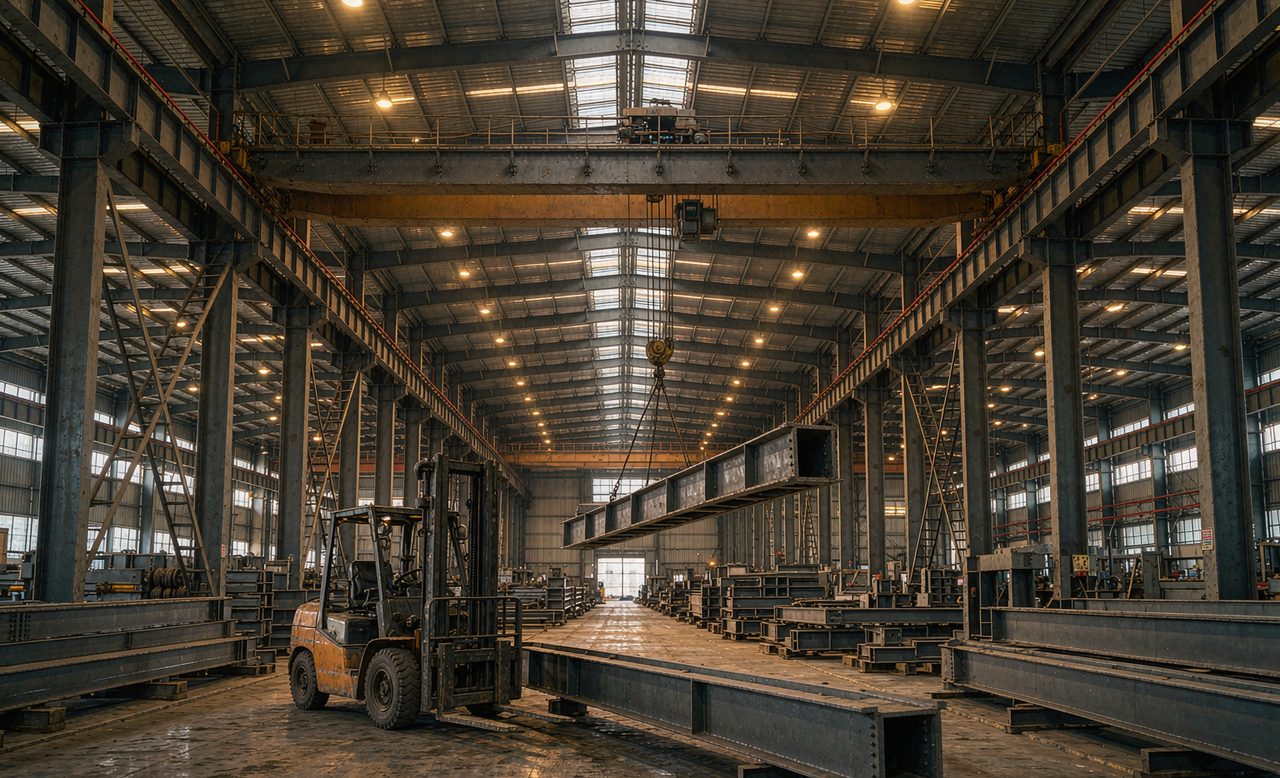
What Is Changing in Prefabricated Steel Buildings Demand This Year
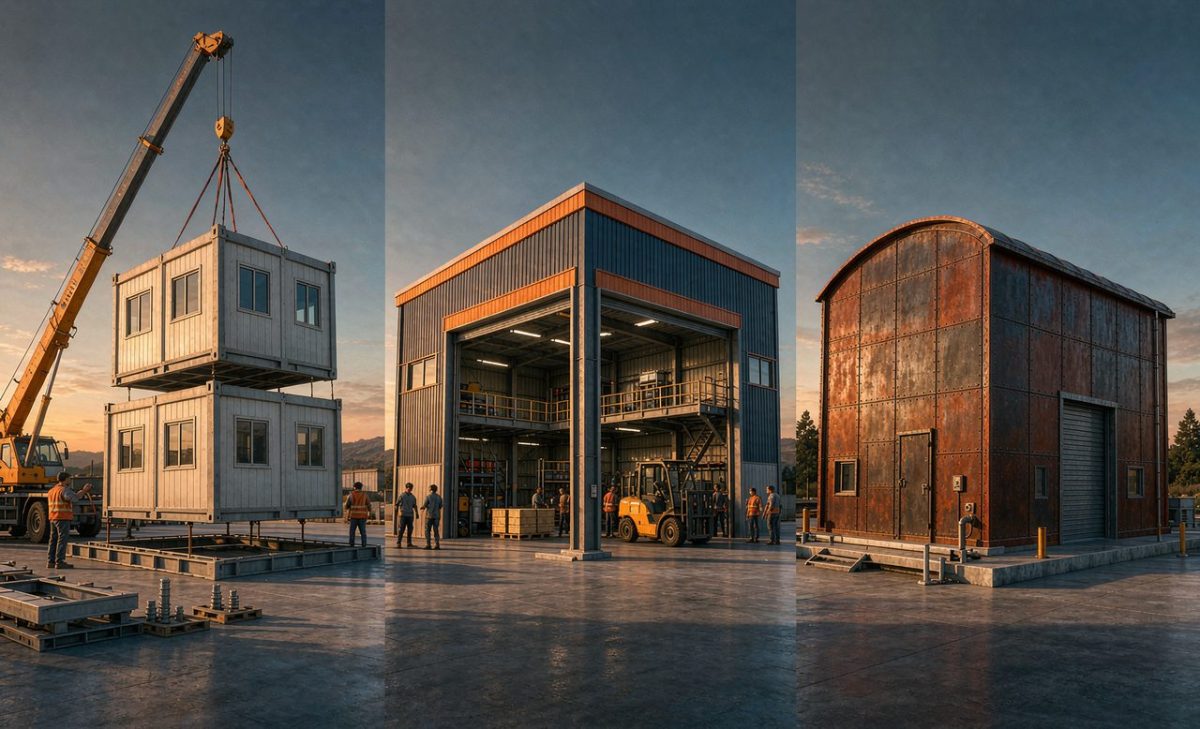
Demand for Prefabricated Steel Buildings is changing this year in a way that matters directly to anyone selling, specifying, or sourcing projects. The short version is simple: buyers are still price-sensitive, but they are no longer choosing on price alone. They want faster delivery, more predictable installation, better documentation, and building solutions that match actual operating needs instead of generic drawings. For channel partners, that means the market is not shrinking into a race to the bottom. It is becoming more selective.
That shift is easy to miss if you only look at inquiry volume. In many markets, inquiries may still sound familiar: warehouse, workshop, logistics shed, agricultural storage, light industrial expansion. What has changed is the quality of questions behind those inquiries. End users now ask earlier about lead times, foundation coordination, crane compatibility, insulation options, expansion flexibility, and compliance details. They are trying to reduce downstream surprises. Dealers who can answer those points clearly are winning more trust than those who only send a basic quotation sheet.
From a market perspective, this year is less about "more demand" or "less demand" in a broad sense, and more about different demand. Buyers are becoming stricter. Projects are being screened harder. Decisions are slower at the approval stage but faster once the technical scope is clear. That is a meaningful change for distributors and agents because it affects how you qualify leads, position suppliers, and protect margin.
What buyers of prefabricated steel buildings are really changing
A lot of people assume the market is only responding to raw material fluctuations. Steel price movement still matters, of course, but it is no longer the only force shaping demand. In practical terms, buyers are moving toward three priorities.
First, they want speed with fewer unknowns. Many project owners have learned the hard way that "fast construction" means very little if revisions, missing components, or unclear shop drawings delay the site team. So when they compare prefabricated steel building suppliers, they increasingly look at coordination ability, not just tonnage price.
Second, they want design that fits use, not a recycled template. A warehouse with forklift traffic, mezzanine loads, ventilation needs, or future crane installation cannot be treated like a simple shell building. Buyers are asking more detailed operational questions because they know poor early decisions become expensive modifications later.
Third, they are paying attention to long-term running cost. That does not always mean choosing the highest-spec solution. It means understanding where better material selection, roof and wall system choices, corrosion resistance, and structural planning actually reduce maintenance or future alteration costs.
One direct answer, if you need it in a sentence: demand is shifting from basic low-cost steel structures to more application-specific, better-coordinated prefabricated steel building solutions that reduce risk during procurement, installation, and later use.
This is also why experienced manufacturers are gaining more attention. Since its establishment on November 26, 2003, Ke Ming Steel Structure Factory has been deeply involved in the fields of new materials and high-end intelligent prefabricated construction. That kind of background matters more this year because channel partners increasingly need suppliers who can support not only fabrication, but also system-level communication around design intent, processing quality, and project suitability.
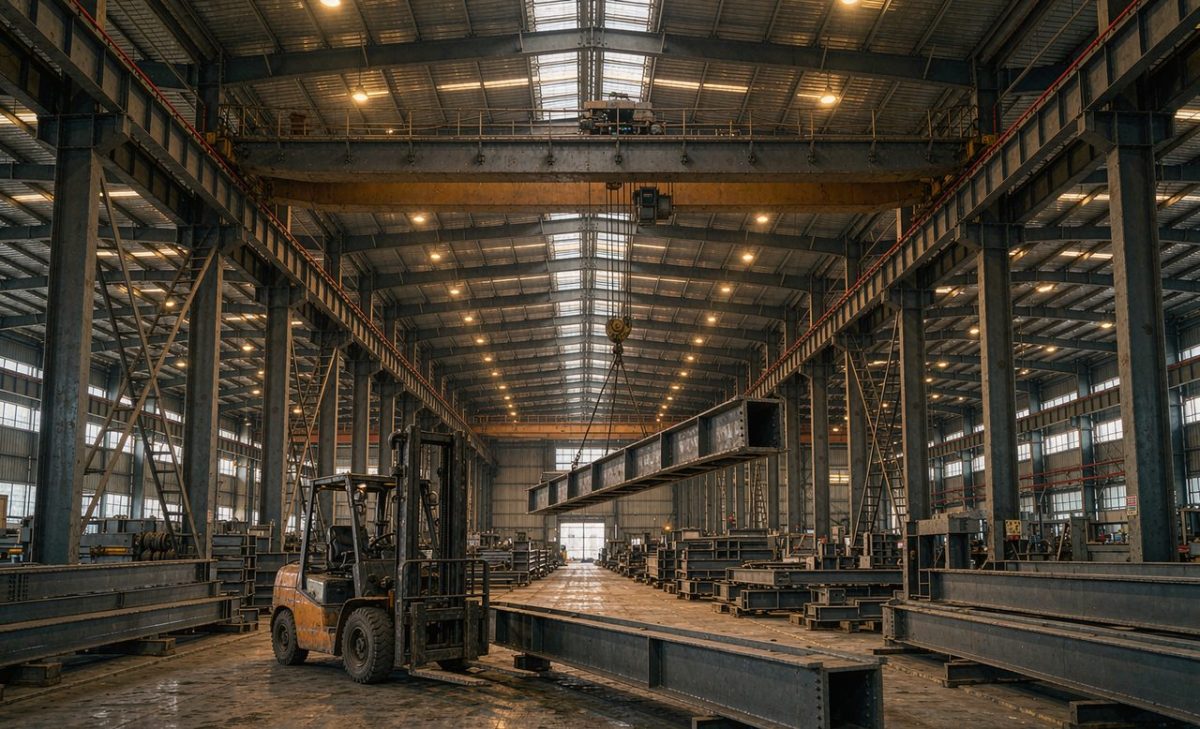
Why warehouse and industrial projects are driving much of the movement
In actual demand patterns, industrial and storage-related buildings remain one of the clearest growth engines for prefabricated solutions. Not because every region is booming in the same way, but because these projects tend to value speed, clear spans, scalability, and construction efficiency more than heavily ornamented finishes.
That said, not every warehouse inquiry is equal. Some are still highly price-driven and may compare only steel weight and enclosed area. Others are much more mature. They ask whether the building can handle lifting equipment, whether future bay extension is possible, whether the roof system will support local climate conditions, and whether installation sequencing has been thought through.
This is where many dealers lose control of the conversation. They answer the visible request but ignore the hidden one. The visible request is "quote me a steel warehouse." The hidden request is "help me avoid a bad decision." Those are not the same thing.
For example, a buyer evaluating a crane-capable industrial space may not need a complex lecture, but they do need the right prompt: What is the lifting requirement now? Will it change in 12 months? Is the building layout being driven by storage flow or equipment positioning? A product direction such as Prefabricated Steel Warehouse with Crane System Industrial Lifting Ready makes sense in that context because it points to a real operating scenario rather than a vague category. It should be introduced as a fit-for-purpose option, not as a universal answer.
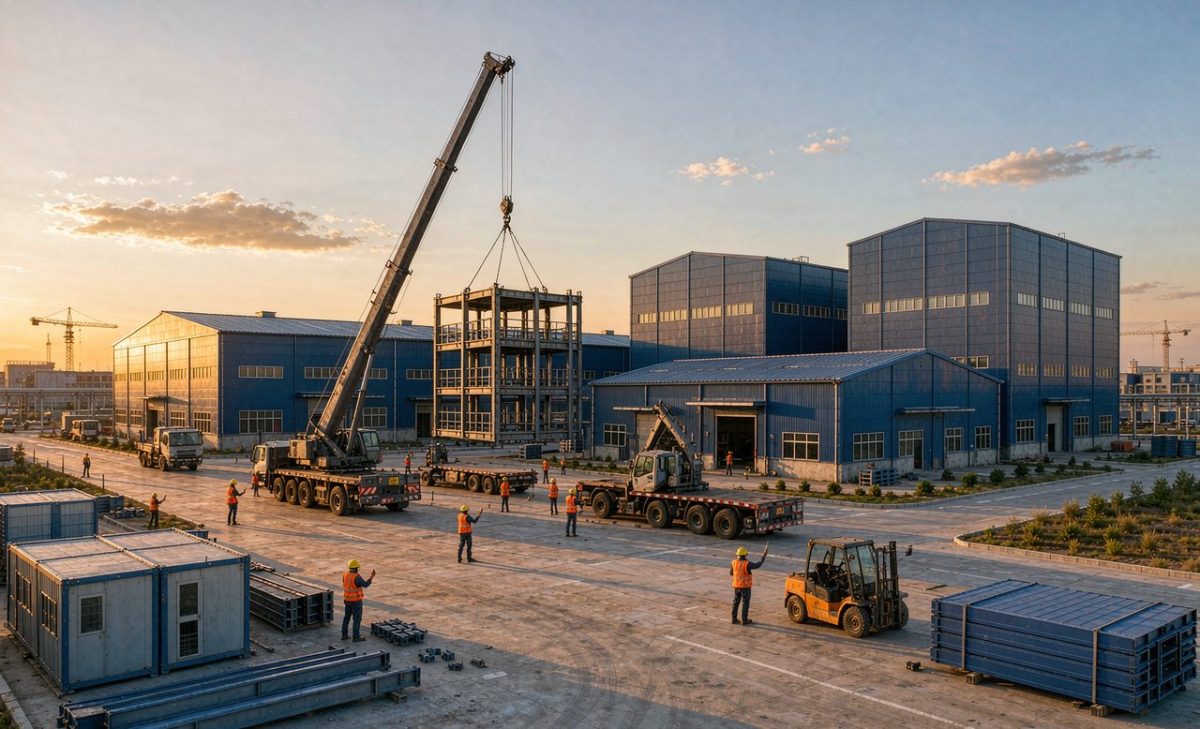
The market is rewarding better qualification, not just bigger catalogs
One of the most important changes this year is happening before quotation even starts. End customers are comparing suppliers based on whether they seem capable of controlling the process. A dealer with a huge product list but weak technical follow-up can look less reliable than a smaller partner who asks the right questions early.
In practical sales terms, better qualification now improves conversion more than aggressive discounting in many cases. That means asking about:
- actual building use rather than only dimensions
- site conditions and local code requirements that need verification
- whether thermal performance matters or the structure is mainly a dry shell
- equipment loads, suspended loads, and possible crane needs
- future expansion plans that affect span, bay spacing, and connection logic
These points are not "extra technical talk." They are now part of commercial credibility. Buyers have seen enough procurement mistakes to know that missing details at the start usually reappear as cost, delay, or blame later.
A common mistake among newer channel partners is assuming that standardized prefabricated steel buildings remove the need for deeper consultation. They do reduce some complexity, but they do not eliminate project-specific judgment. Standardization helps most when the supplier and dealer both know where standard solutions work and where they do not.

Where demand is getting more selective
Not every segment is moving in the same direction. Simple low-spec projects still exist, and in some markets they remain active. But the more selective demand is becoming visible in a few areas.
One is logistics and light industrial expansion. These buyers often care about handover speed and future layout flexibility. Another is manufacturing-related upgrades, where the structure must support workflow, loading, ventilation, or lifting systems. There is also stronger interest from buyers who are replacing outdated buildings and want a cleaner procurement path with less on-site uncertainty.
At the same time, some projects are becoming harder to close. If the buyer has not defined the use clearly, if funding is uncertain, or if local approval conditions are still vague, inquiries may look active but remain soft for a long time. Dealers should not confuse inquiry traffic with bankable demand.
That distinction matters this year because many teams are spending too much time on low-clarity leads. A better approach is to separate buyers into three groups: those who need budget orientation, those ready for technical comparison, and those close to final procurement. Treating all leads the same slows down the sales cycle and weakens your response quality.
What this means for pricing and margin
Many people expect stronger competition to automatically compress margins. Sometimes it does. But in prefabricated steel building sales, margin often disappears because of poor scoping, not because the market rejects value.
When a project is underdefined, the quote is usually forced to stay vague. Then revisions pile up. Structure, cladding, accessories, openings, load assumptions, and installation expectations start shifting. What looked like a low-price win can turn into a coordination problem that eats profit.
This year, the healthier margin opportunities are often in projects where the scope is clarified early and the supplier can explain why certain choices matter. Buyers will still negotiate hard. That will not change. But many are willing to pay for predictability if the explanation is concrete and tied to use.
So the pricing conversation is changing from "How cheap is your steel building?" to "How reliable is this offer once the project starts moving?" That is a better conversation for serious dealers.
What experienced channel partners are doing differently
The strongest distributors and agents are adjusting in a few visible ways. They are qualifying more rigorously, but they are also presenting options more clearly. Instead of sending one generic proposal, they explain the tradeoffs between a basic enclosed structure and a more operation-ready solution. They flag what still needs verification. They avoid overpromising on schedule where site conditions or approvals are uncertain.
They also choose manufacturing partners more carefully. A supplier with long involvement in intelligent prefabricated construction can be easier to work with when the project has more moving parts. That is one reason Ke Ming Steel Structure Factory remains relevant in current market conditions. The issue is not only production capacity. It is whether the supplier can support dealers with practical coordination, reasonable customization, and product thinking shaped by real project use.
Another smart move is using product examples selectively. If a buyer's scenario genuinely involves industrial lifting requirements, then showing a reference direction such as Prefabricated Steel Warehouse with Crane System Industrial Lifting Ready helps frame the discussion around suitability. If the buyer only needs a simple storage envelope, that same example may distract more than it helps. Good channel partners know the difference.
Where people still misread the market
One misunderstanding is that prefabricated steel buildings are now a fully commoditized category. They are not. Some projects are commodity-driven, but many are decided by how well the solution fits the operating case.
Another is assuming faster demand automatically means easier sales. In reality, urgency can make buyers more cautious. When project timelines are tight, they scrutinize drawings, supply capability, and installation logic more carefully because they cannot afford mistakes.
A third mistake is pushing technical complexity too early. Buyers do not need every engineering detail in the first conversation. They need evidence that you understand the use case, the risks, and the likely decision points. Too little detail makes you look weak. Too much too soon makes you hard to work with.
What to check before you invest more in this category
If you are expanding your offering in prefabricated steel buildings this year, start with a few practical checks.
- Which end-use scenarios are most active in your territory: warehouse, workshop, agriculture, logistics, or industrial support buildings?
- Do your current supplier relationships support customization and documentation well enough for more selective buyers?
- Can your sales team identify projects that need crane planning, thermal upgrades, or future expansion allowance before quoting?
- Are you screening out weak leads early enough, or are you burying good opportunities under too many low-clarity inquiries?
Those questions matter more than broad market optimism. The demand for Prefabricated Steel Buildings is still there, but it is rewarding precision, fit, and execution discipline far more than generic availability. Dealers who adapt to that change will usually find that this year offers better-quality opportunities, even when the market feels more demanding than before.