
News center
Related Posts
- ▶ Prefab vs. Conventional Warehouse Construction: Comparing Timelines
- ▶ Planning a Prefab Warehouse: Clear Span, Height and Loading Bays
- ▶ How Long Does It Take to Build a Commercial Steel Building?
Online Message
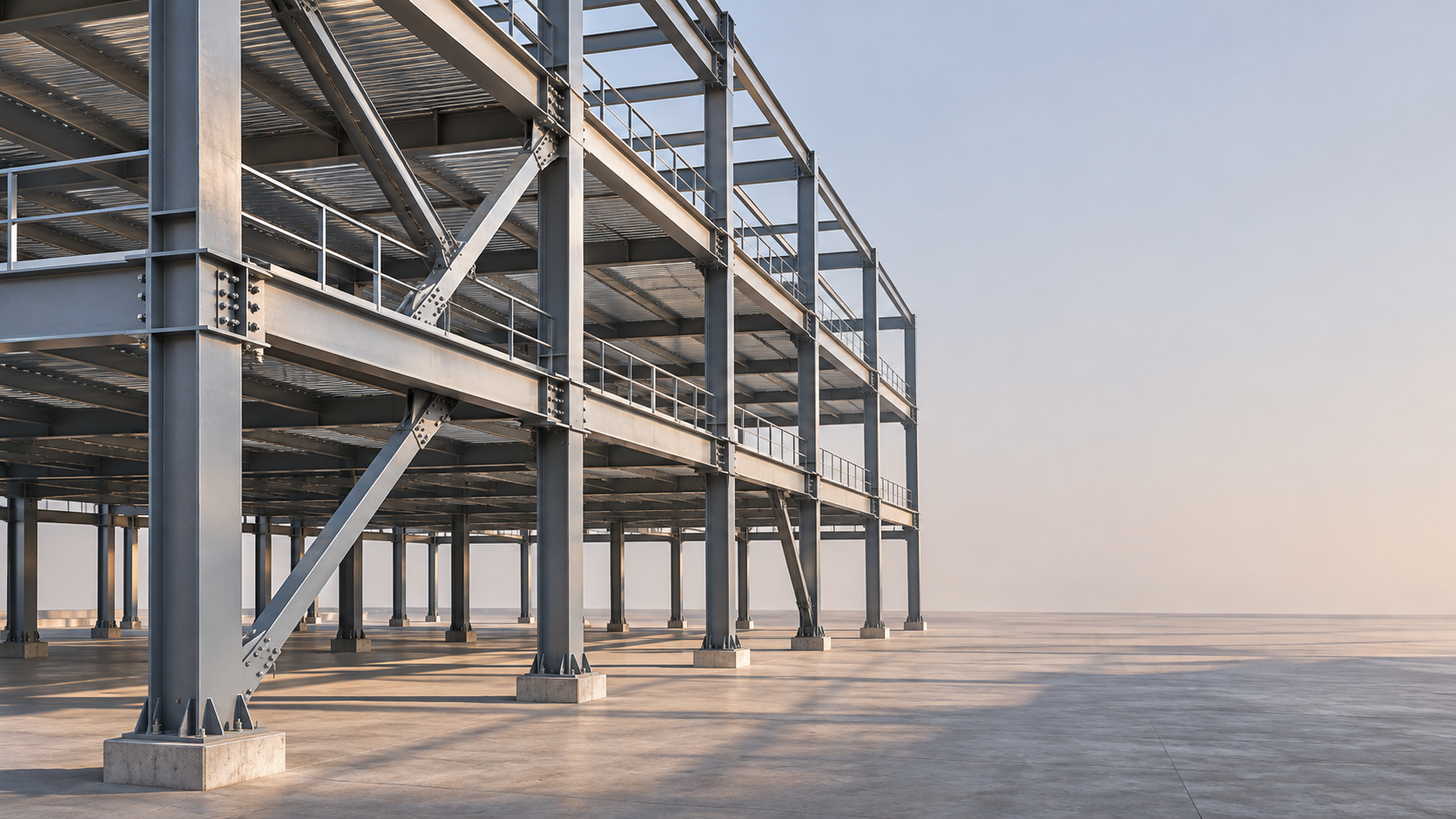
No named, completed multi-storey steel building projects can be identified from the information available about Keming. The company is described as a prefabricated steel building manufacturer in China that supplies steel structures to more than 20 countries, but that does not establish which multi-storey buildings it has completed, where they are located, or what role it played in each one.
That distinction matters when assessing a project portfolio. A manufacturer may fabricate and ship a steel frame without designing the building or carrying out erection. Equally, a building shown in a portfolio may be under construction rather than completed. Until project-specific records establish the building’s status and Keming’s scope, its relevance to a proposed multi-storey development remains uncertain.
Are there named examples of Keming multi-storey steel buildings projects?
The available company information does not identify a project name, location, completion date, building use or number of storeys. It also does not provide drawings, client references, completion certificates or case studies that would allow a particular building to be assessed.
This absence of project detail should not be read as evidence that Keming has never supplied a multi-storey project. It means only that the information available here does not support a reliable list of completed examples. Naming factories, commercial buildings, offices or residential developments without evidence would turn possible applications of steel construction into claims about projects that have not been established.
A useful response from the manufacturer would identify individual buildings and distinguish completed projects from contracts that are still in fabrication, shipment or erection. Even a short project sheet becomes more meaningful when it explains precisely what was supplied and whether the building has reached its intended completion milestone.
What should count as a completed project?
“Completed” can describe different milestones. Fabrication may be complete when members leave the plant; a steel package may be complete when it reaches the site; and structural erection may be complete before floors, façades, services and fire protection are installed. A finished building is a broader achievement than any one of those stages.
For a clear comparison, a project record should state whether completion refers to the steel supply package, the erected structural frame or the entire building. It should also identify the party responsible for that milestone. A manufacturer can legitimately describe its steel supply as completed without being the contractor responsible for completing the building, provided the distinction is clear.
A photograph alone rarely resolves this question. An image of an enclosed building may show the finished asset, but it does not establish who fabricated its frame. An erection photograph can demonstrate the type of work shown, yet it may not establish when the project was finished or whether the pictured frame belongs to the named project. Captions and supporting records are therefore as important as the images themselves.
What details make a project reference useful?
The most informative references describe both the building and the supplier’s work. A project name and location make a case identifiable; the number of storeys, building use and structural arrangement make it possible to judge whether the work resembles a proposed project.
Relevant details include the following:
- Project identity and status: the building name, location, completion milestone and date associated with that milestone.
- Building characteristics: its use, number of storeys, approximate floor area, major spans and any significant loading or layout requirements.
- Structural scope: whether the supplied package covered columns, beams, bracing, connection components, floor-support elements or other steelwork.
- Responsibility: who undertook structural design, connection design, fabrication, shipment, erection and inspection.
- Supporting evidence: project documentation, approved drawings, inspection records or a reference that can substantiate the claimed role and status.
Not every detail will be publicly available. Project confidentiality can limit the publication of client names, drawings or commercial terms. Nevertheless, an anonymised reference should still provide enough technical and contractual context to explain what was done. A statement such as “multi-storey steel building supplied overseas” leaves too many questions unanswered to support a meaningful comparison.
It is also important to separate project scale from project complexity. Steel tonnage or floor area can indicate the size of a package, but neither figure establishes whether the building had the same spans, floor loads, lateral-load demands or construction constraints as another project.
Does supplying steel overseas demonstrate multi-storey project experience?
International supply is not, by itself, evidence of completed multi-storey buildings. The available description says Keming supplies steel structures to more than 20 countries, but it does not identify the building types, delivery terms or final status of those structures.
International delivery does, however, introduce questions that a relevant reference can help answer. The steel package must be compatible with the receiving project’s drawings, identification system, shipping arrangements and site sequence. A reference is more useful when it shows how the supplied components were defined and handed over, rather than simply naming a destination country.
The country of delivery also does not establish compliance with every local requirement. Applicable building rules depend on the project location and design, while the contractual steelwork requirements may refer to specific material, fabrication, inspection or documentation standards. The relevant approvals and responsibilities need to be established for each project.
What does Keming’s stated manufacturing capacity establish?
Keming is described as operating a 120,000 m² plant with an annual production capacity of 100,000 tonnes. These figures provide context about the scale of its stated manufacturing operations. They do not identify completed multi-storey projects or prove that a particular order can be accommodated within a proposed schedule.
Annual capacity is not the same as available capacity during a project’s fabrication window. The practical question is whether the required work can be produced, inspected, packed and released in the sequence required by the contract. The answer depends on the order’s scope, current commitments, drawing readiness, material availability and the agreed inspection process.
For a multi-storey building, the sequence of deliveries can matter as much as the total tonnage. If columns, beams and connection materials arrive in an order that does not match the erection plan, site storage and handling can become more difficult. A relevant project reference would explain whether supply was divided into erection-ready packages and what responsibility the manufacturer had for marking and packing them. The stated plant figures alone do not answer those questions.
Do the stated standards and certifications confirm project performance?
The company description refers to ISO, CE, AS-NZS and ASTM certifications. These references need clarification before they can be used to judge a specific project. They do not all represent the same kind of requirement: ISO publishes standards across many fields; CE marking is associated with specified European product legislation and applicable requirements; and AS/NZS and ASTM designations refer to standards that must be identified by their particular number and scope.
A meaningful review would establish the exact certificate or standard designation, its scope, the entity and facility covered where applicable, and its relevance to the proposed steel package. It should also distinguish a management-system certificate from evidence that a particular material or fabricated component meets a specified technical requirement.
Material certificates, fabrication inspection records, welding documentation and coating records address different questions. Their relevance depends on the design and contract. None should be assumed to prove that an entire building was designed, erected or approved in compliance with local rules.
How can a claimed reference be checked?
The starting point is to connect the project name with Keming’s actual scope. A reference supplied by the company can identify the work it says it performed, but the supporting information should make that connection credible. Depending on what can be disclosed, evidence might include a project-specific supply record, approved fabrication documentation, inspection records or confirmation from a party authorised to provide a reference.
Consistency across documents matters. The building’s location, structural scope and completion status should align with the claim being made. If a portfolio lists a completed building but the available evidence relates only to fabrication, the supported claim is that fabrication was completed—not necessarily that the entire building was finished.
Where confidentiality prevents disclosure of a client’s identity, a prospective reference can still describe the number of storeys, structural package, destination market and completion milestone without exposing sensitive commercial terms. Such a reference may help assess technical relevance, although it offers less opportunity for independent confirmation than a named project with a contactable authorised party.
Which project similarities matter most?
A reference should be compared with the proposed building on the features that drive structural design and delivery. A multi-storey warehouse and an office building may both use steel frames, but their floor loads, spans, internal layouts and service requirements can differ substantially. A reference matching the number of floors alone is therefore not enough.
For the structural frame, the useful comparison includes the load path, column spacing, beam spans and system used to resist lateral loads. Floor construction also matters: the steel package may support a floor system supplied or installed under a separate contract, making coordination at the beam and deck interfaces important.
Site conditions affect the relevance of a reference as well. A project with ample laydown space and straightforward crane access may not demonstrate how a similar frame would be delivered to a restricted urban site. Likewise, a project supplied as a complete package may offer limited evidence about a contract requiring staged deliveries over several erection phases.
None of these differences automatically disqualifies a reference. They explain why the reference should be treated as evidence of a defined scope, rather than proof that every aspect of a new project can be delivered under the same conditions.
What remains unanswered?
Based on the information available, the specific multi-storey steel buildings completed by Keming cannot be listed reliably. The company’s stated plant size, annual capacity, international supply and references to standards provide background, but they are not substitutes for identifiable project records.
The decisive evidence would be a set of project-specific references showing the building type and scale, completion milestone, Keming’s contractual scope, and documentation supporting those claims. Until those details are available, the most defensible conclusion is that the company’s stated manufacturing profile cannot by itself establish which completed multi-storey projects form part of its track record.
We are more than happy to serve you here. If you have any question, please feel free to contact us.