
News center
Related Posts
- ▶ Prefab vs. Conventional Warehouse Construction: Comparing Timelines
- ▶ Planning a Prefab Warehouse: Clear Span, Height and Loading Bays
- ▶ How Long Does It Take to Build a Commercial Steel Building?
Online Message
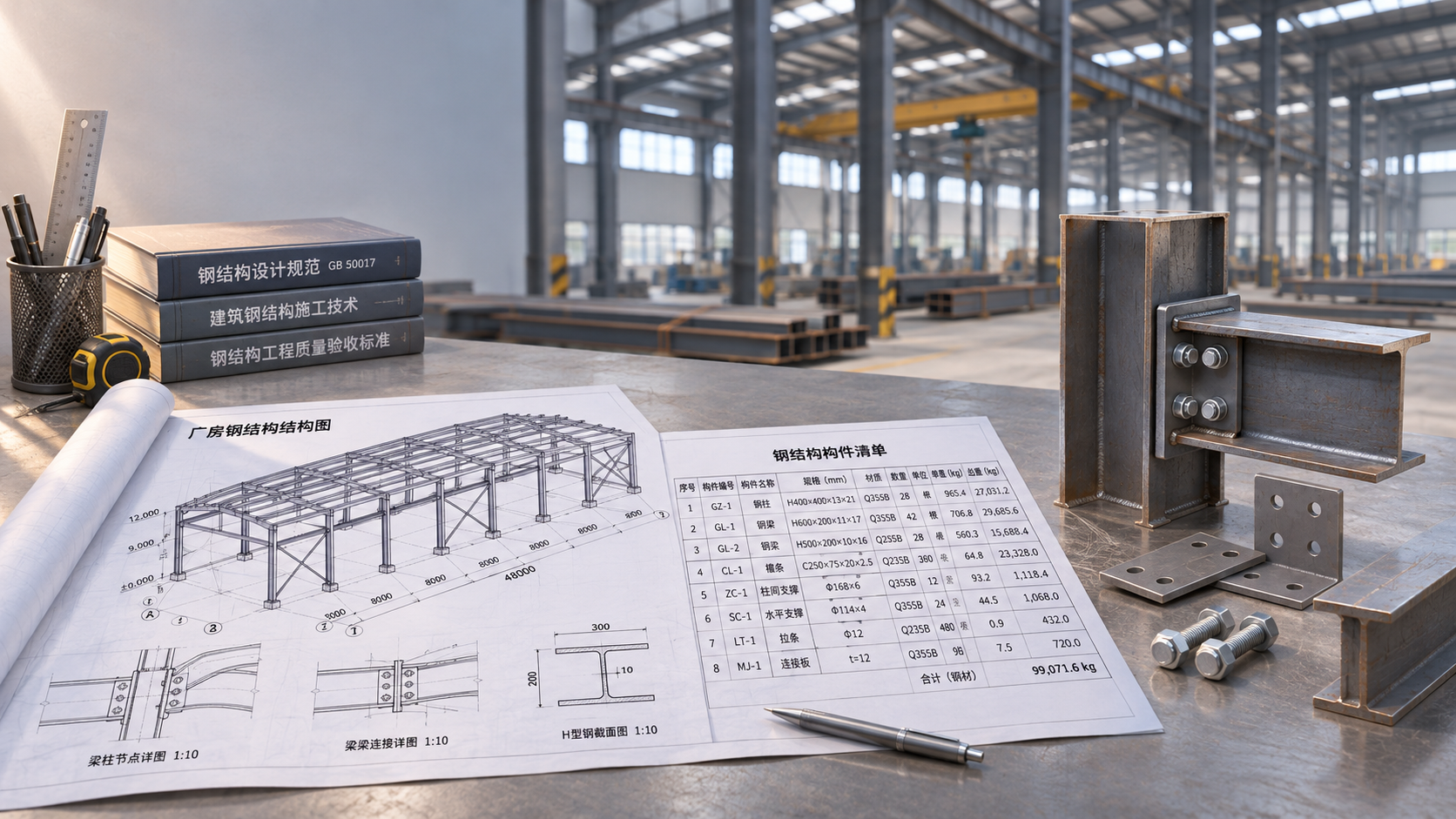
How can you tell whether reviews of Keming Steel Structure Factory are genuine and relevant to your project? Start by checking independent platforms, verifying reviewer identities, and comparing feedback with documented project experience. You may also want to ask what software is used for steel building design, as design capabilities can be as important as delivery and product quality. This guide explains how to assess reviews and supplier information before choosing a prefabricated steel building manufacturer.
A review can tell you how a transaction felt to one buyer. It cannot, on its own, establish whether a building will meet your local design requirements or whether a quoted delivery schedule is realistic. The useful question is not simply “Are the reviews positive?” but “What can I independently confirm, and does it apply to my project?”
Start with the source, not the star rating
Look for feedback on platforms where the reviewer controls the account and where the supplier does not control every comment. Business directories, construction forums, professional networks and trade platforms may provide useful leads. None is automatically reliable: some reviews may be solicited, incomplete or unrelated to an actual steel building purchase.
Before comparing ratings, confirm that each listing refers to the same business. English trading names, Chinese legal names, factory names and export-company names do not always match exactly. Ask the supplier for its legal entity name, business registration details and the name that would appear on your contract and invoice. Then compare those details with the listing, website and bank account information. A difference is not necessarily a problem, but the relationship should be explained and documented.
Pay attention to how a review was obtained. A testimonial published by the manufacturer can be worth investigating, but it is not independent simply because a customer is named. A platform’s “verified” label also needs context: it may confirm an account or transaction without verifying the technical performance of a completed building.
If you find few independent reviews, avoid treating that as proof of poor performance. Industrial steel buildings are not consumer products, and customers may be contractors or distributors who do not publish supplier feedback. Limited evidence should, however, change your due diligence: ask for project references and documents rather than filling the gap with assumptions.
Check whether the reviewer could actually assess the work
A useful review gives enough context to identify the reviewer’s role and the scope of the purchase. Someone who bought steel components may be able to comment on packing and fabrication, while an erection contractor can speak more directly about fit-up and missing parts. Neither necessarily knows whether the structural calculations were appropriate for the site.
Look for details that are difficult to replace with generic praise: the building type, the buyer’s role, the stage reached, how changes were handled, or what happened when an issue arose. A review that says “good quality and fast delivery” may be genuine, but it offers little basis for evaluating a factory’s design or manufacturing controls.
Where a name or company is provided, check whether the person’s public professional profile is consistent with the stated role. Do not assume that an incomplete profile means the review is false; privacy preferences vary. Instead, treat the review as unconfirmed and seek corroboration elsewhere. Be cautious with clusters of similarly worded comments, reviews posted in a short period, or accounts that appear to exist only to endorse one supplier. These are reasons to investigate, not conclusive proof of manipulation.
Ask for references you can speak to
A direct reference is most valuable when the project resembles yours in technical scope or delivery arrangement. A warehouse with conventional spans may not tell you much about a building with a heavy overhead crane, complex openings or demanding corrosion protection. Likewise, a domestic shipment is not the same test as an international delivery with customs, sea freight and local unloading.
With the reference’s permission, ask what the supplier was contracted to do and whether it delivered that scope. Did the buyer receive drawings early enough for approval? Were revisions tracked? Did components arrive identifiable against the packing list? If parts were missing or did not fit, who paid for the correction and how was it resolved?
The supplier will understandably choose references willing to speak positively. You can make the conversation more useful by asking about difficulties rather than only overall satisfaction. A credible answer may include a problem and a clear account of how it was handled.
Match review claims to project documents
Reviews are leads; project records provide stronger context. Request an anonymized sample document package for a comparable building, subject to the original customer’s confidentiality requirements. Depending on the scope, this might include a general arrangement drawing, fabrication drawing, material list, inspection record or packing list.
The goal is not to collect impressive-looking files. Check whether the documents connect to one another. Do member marks on the drawings correspond to the packing list? Are revisions identified? Does the coating specification describe surface preparation and the coating system rather than merely saying “painted”? Can the supplier explain which documents are issued before fabrication and which accompany the shipment?
A site photograph can help establish the type of building supplied, but it cannot establish steel grade, weld quality or code compliance. Similarly, a bill of lading may support a shipment claim without proving that the building was erected successfully. Use each item for what it can show, and avoid drawing conclusions beyond it.
For a live order, agree on the evidence you will receive before production begins. Material certificates, inspection reports and traceability records are easier to obtain when their scope, timing and acceptance criteria are written into the contract rather than requested after dispatch.
What software is used for steel building design?
The answer matters because a prefabricated building moves through several technical stages. Structural analysis software is used to model loads and check members; detailing software turns the design into fabrication information. Programs such as SAP2000, STAAD.Pro and Tekla Structures are examples used in the industry, but their roles differ, and a supplier may use other suitable tools.
A recognizable software name is not evidence that a particular building has been designed correctly. Ask who prepares and checks the model, what design standard is applied, how connections are handled, and whether the calculations and drawings can be reviewed by the engineer responsible for approval in the project jurisdiction.
Give the design team enough information to answer meaningfully. Building location, intended use, dimensions, eave height, roof configuration and large openings affect the design. So can wind and seismic requirements, snow where applicable, crane loads, equipment loads and future expansion. A quote produced without these inputs may be a useful preliminary estimate, but it should not be mistaken for a completed engineering design.
Also clarify the handoff between parties. If the factory designs the steel frame but a local engineer designs foundations, anchor reactions and interface details must be communicated in time. If a third party supplies the cladding or doors, establish who checks the supporting members and openings. Software cannot resolve an undefined scope of responsibility.
Verify certifications and standards individually
Keming describes itself as a prefabricated steel building manufacturer in China, with a 120,000 m² plant and stated output of 100,000 tonnes per year. It also reports factory-direct supply to more than 20 countries and refers to ISO, CE, AS/NZS and ASTM credentials or standards. Treat these as starting points for verification, not as substitutes for checking the requirements of your order.
These labels do not all mean the same thing. ISO may refer to a certified management system; CE marking relates to applicable product rules and associated assessment requirements; AS/NZS and ASTM identify standards that may apply to particular materials, products, tests or processes. A claim that a factory is “ASTM certified,” for example, is not precise enough to establish that the steel in your order meets a particular ASTM specification.
Request the actual certificates or declarations relevant to the proposed supply. Check the legal entity, facility, scope, applicable standard, validity and issuing or assessment body where relevant. Verify certificates through the issuer when a verification method is available. For materials, identify the required grade and specification in the purchase documents, then request matching mill test certificates and traceability records as agreed.
Local acceptance may require more than a manufacturer’s certificate. The engineer, building authority or customer specification may call for particular design documentation, inspections or approvals. Confirm those requirements before placing the order, especially when the building will be exported into a market with rules unfamiliar to the factory.
Test delivery promises against the proposed contract
A favorable delivery review may describe the time until goods left the factory, while your schedule depends on arrival at site. Those are different milestones. Ask when the production clock starts: after deposit, after receipt of design inputs, or after written drawing approval? A late design change can affect steel procurement, fabrication and dispatch even if the original estimate was reasonable.
Define the delivery term and named place under the agreed Incoterms rule, together with responsibility for freight, insurance, customs clearance, duties and unloading. Specify how components will be marked and packed, and what documents must accompany them. For long or irregular members, discuss container loading and unloading constraints before drawings are finalized.
Clarify the remedy process too. If a shipment arrives short or a member is fabricated incorrectly, who verifies the issue, authorizes a replacement and pays associated freight? A warranty clause is more useful when it identifies the covered work, exclusions, notification procedure and practical response, rather than promising only “quality assurance.”
Make a decision based on evidence that fits your project
Reviews can reveal patterns in communication, documentation and problem resolution. They are less effective at proving structural adequacy, certification scope or the condition of materials supplied years later. A negative comment deserves context, but a repeated complaint about missing parts or unclear drawings should prompt a specific question and a contractual safeguard.
Before committing, bring the findings together: confirm the contracting entity, speak with a relevant reference, review a sample document package and have the proposed design responsibilities checked by your project engineer. Then compare the quotation with your required loads, materials, coating, delivery point and inspection plan. The strongest supplier assessment is not the one with the most stars; it is the one that leaves the fewest important project assumptions untested.
We are more than happy to serve you here. If you have any question, please feel free to contact us.