
News center
Related Posts
Online Message
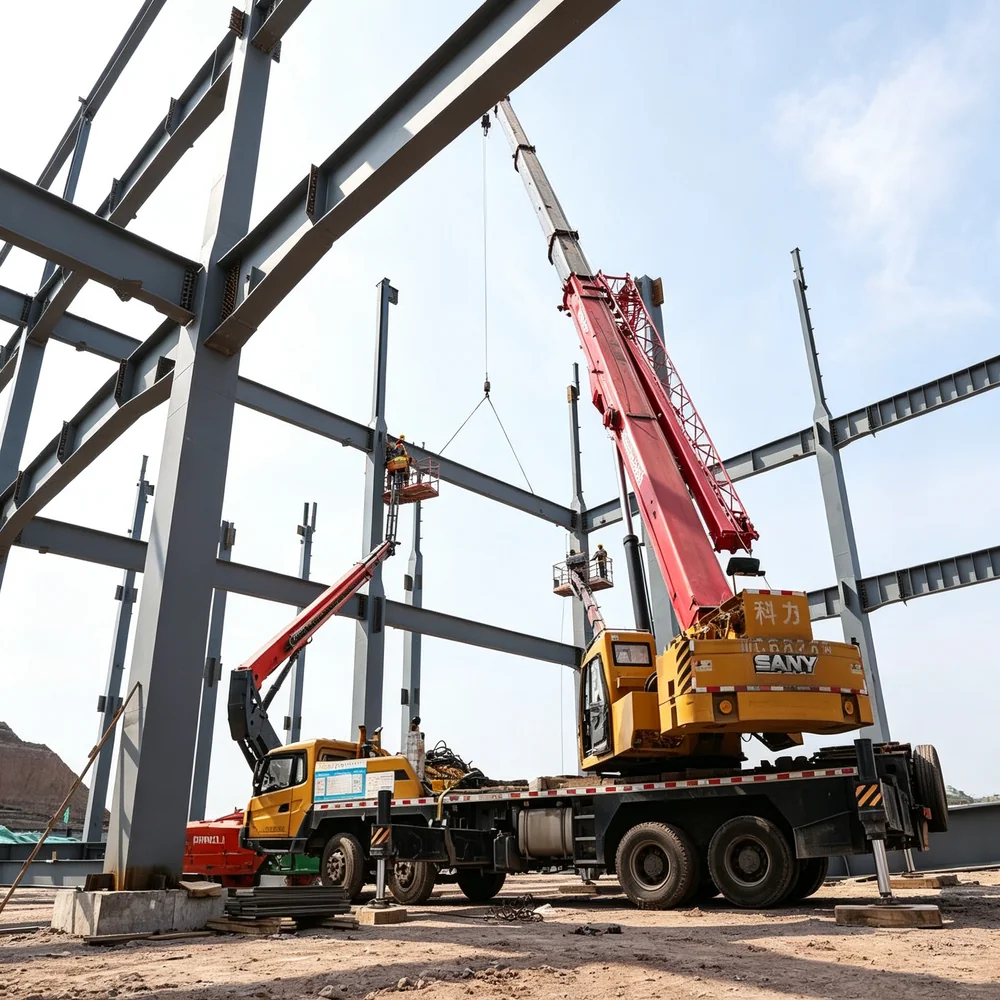
Prefabricated Steel Buildings for Faster Construction
Do prefabricated steel buildings shorten construction schedules?
Do prefabricated steel buildings shorten construction schedules?
In many projects, yes—they do. But that answer is only useful if you also ask what part of the schedule gets shorter, what moves upstream, and what risks simply change form rather than disappear.
For project managers, Prefabricated Steel Buildings are less about a generic promise of speed and more about control. When structural members, connection details, and part of the envelope strategy are resolved early and produced in a factory, site work becomes more predictable. That usually helps with weather exposure, labor coordination, and sequencing conflicts. It does not mean every project finishes faster by default. If design approvals drag, logistics are poorly planned, or the foundation package is late, prefabrication cannot rescue the whole program.
The practical question is not whether prefabrication is “fast” in theory. It is whether your project can benefit from factory-made repetition, fewer wet trades, and a tighter installation sequence without creating bottlenecks elsewhere.
Where time is actually saved
Traditional schedules often stretch because too much critical work is concentrated on the jobsite. Steel prefabrication changes that. Fabrication can proceed while foundation and substructure works are still underway, provided the design is sufficiently frozen. That overlap is one of the biggest schedule advantages, especially for industrial buildings, warehouses, logistics centers, workshops, and some public infrastructure support buildings.
There is also a more subtle gain: fewer interface surprises during erection. If beams, columns, bracing, and connection plates arrive with consistent dimensions from a controlled production environment, the site crew spends less time adjusting around irregularities. Anyone who has managed a compressed schedule knows how much time gets lost not in major breakdowns, but in dozens of small stops—missing holes, inconsistent member lengths, unclear tagging, or sequence clashes with MEP trades.
This is one reason experienced manufacturers matter. Since its establishment on November 26, 2003, Keming Steel Structure has been deeply involved in new materials and high-end intelligent prefabricated construction. In schedule terms, that kind of background matters less as a branding point and more because mature factories usually understand detailing discipline, production coordination, and shipment sequencing better than suppliers that only fabricate to drawing without thinking about installation logic.
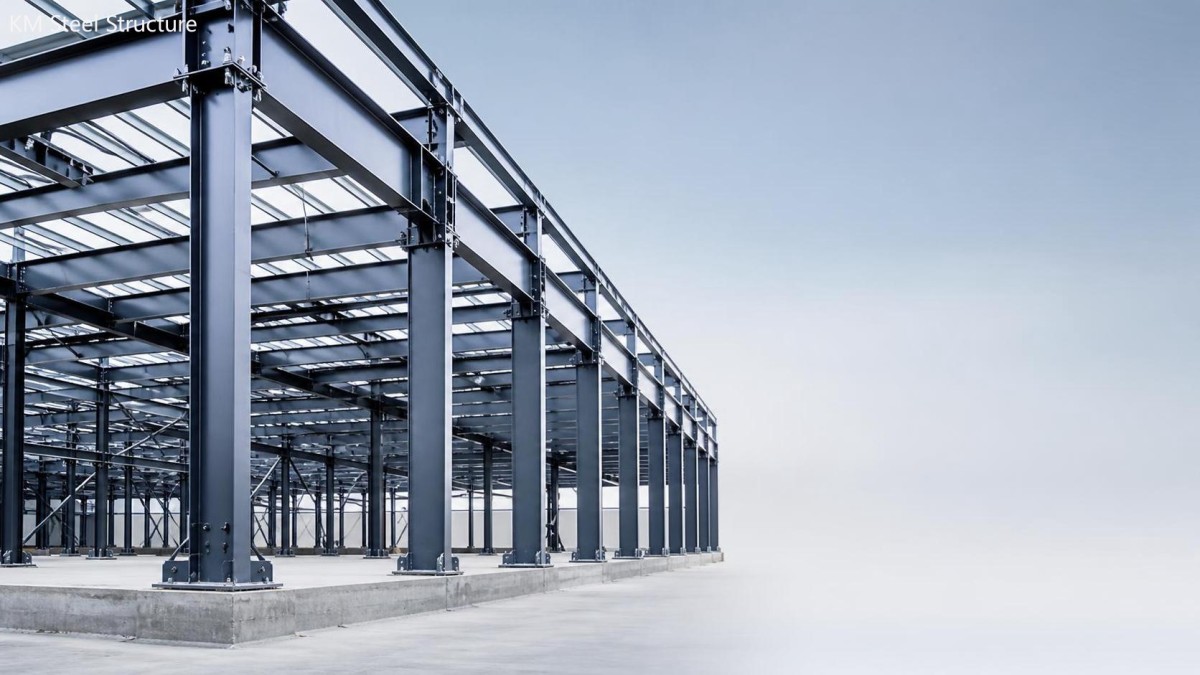
Another advantage is the reduction of weather-sensitive work. Steel erection is not weather-proof, of course, but it is typically less dependent on long curing cycles and site-made structural processes than cast-in-place systems. In regions with rainy seasons, cold weather interruptions, or restricted working windows, that can be a decisive schedule factor.
The schedule does not just get shorter—it gets front-loaded
This is the part decision-makers sometimes underestimate. Prefabricated Steel Buildings can shorten field duration, but they usually demand earlier decisions. Grid layout, loading assumptions, openings, crane requirements, façade interfaces, and equipment penetrations often need to be settled sooner than in more forgiving site-built methods.
If your internal approval chain is slow, or if tenants and end users are still changing operational requirements, prefabrication can create friction. A late design revision in a conventional project may cost site rework; the same revision in a prefabricated package may affect detailing, fabrication slots, transport plans, and erection sequence all at once.
So the real tradeoff is simple: you gain speed on site by accepting more discipline before fabrication starts. Teams that understand this usually perform well. Teams that assume they can “sort it out later” tend to lose the schedule advantage they were hoping to buy.
Projects that benefit most
Not every building type benefits equally. Prefabrication tends to work best when one or more of the following conditions are present:
This is why the method is common not only in factories and warehouses, but also in bridge-adjacent facilities, transport structures, and specialized infrastructure packages. On those jobs, schedule compression often depends on reducing the number of trades competing for the same work face. In some infrastructure-related packages, coordination may even extend to components such as Highway Bridge Components, where factory precision and delivery sequence have direct implications for installation windows and traffic-related constraints.
Where schedule gains are often lost
There are a few repeat offenders.
The first is incomplete early coordination. If the steel package is released before architectural, MEP, and equipment interfaces are sufficiently aligned, the project may save time in fabrication only to lose it in rework or field modification.
The second is procurement timing. Prefabrication depends on material planning, workshop capacity, and transport scheduling. If supplier appointment happens too late, the theoretical speed advantage narrows quickly. Factory production is efficient, but it still needs a slot in the production queue.
The third is logistics. Oversized members, route restrictions, crane access, temporary storage, and unloading sequence can all affect the erection plan. A good fabrication package shipped in the wrong order creates site congestion instead of progress.
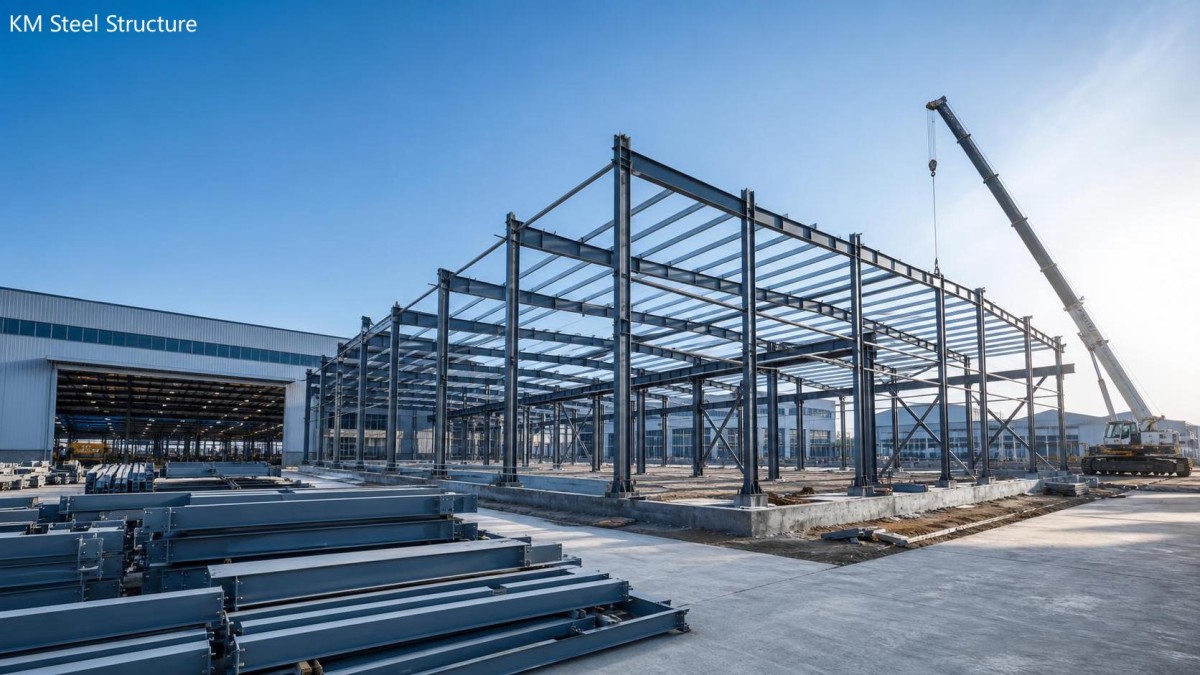
And then there is the foundation issue. Steel superstructures go up quickly, which means any error in anchor bolt positioning, base level, or survey control becomes immediately visible and immediately disruptive. Site tolerance management is not glamorous, but on prefabricated projects it has a direct relationship with schedule certainty.
A better way to evaluate the option
If you are deciding whether to use Prefabricated Steel Buildings on a specific project, avoid broad claims and test the method against your actual critical path.
This kind of review is usually more useful than comparing headline costs alone. A cheaper method on paper can still be slower in the field, especially when labor availability is unstable or the site is operationally sensitive.
Speed without losing quality
One reason prefabrication keeps gaining ground is that schedule improvement does not have to come from cutting corners. In fact, quality control is often easier in factory conditions than on an exposed site. Welding procedures, dimensional checks, surface treatment preparation, and part identification can all be handled with more consistency when the production environment is stable.
That said, the quality discussion should stay practical. Factory precision is only valuable if the installation package, tolerances, and inspection routines align with project requirements and local standards. For some projects, that also means checking how associated structural packages or related items—occasionally including a second package of Highway Bridge Components in infrastructure contexts—fit into the broader erection and approval sequence.
The point is not that prefabrication automatically eliminates defects. It reduces certain categories of field risk while making early coordination more important. That is a worthwhile trade on many jobs, but it should be recognized honestly.
So, should you expect a shorter schedule?
If your project can lock key decisions early, support factory production with clear drawings, and manage transport and erection as part of the original plan, Prefabricated Steel Buildings usually do shorten the construction schedule in a meaningful way. Not because steel is magically faster, but because the method replaces a large amount of uncertain site work with planned manufacturing and sequenced installation.
If, however, your project is still fluid, approvals are likely to shift, or site readiness is unreliable, prefabrication may simply move pressure to earlier phases. It can still be the right choice, but only if the team is prepared for that shift.
The best early test is straightforward: map your real critical path, identify where delays usually occur, and ask whether factory-built steel removes those delays or merely changes their location. That answer is far more valuable than any blanket claim about speed.
We are more than happy to serve you here. If you have any question, please feel free to contact us.